Wedding Rehearsal and Processional Checklist for a Small Ceremony
A rehearsal is a practical walkthrough of movement and cues. It need not become a second full ceremony. Confirm the officiant's and venue's requirements for your actual ceremony, especially where a religious or cultural format has established practices.
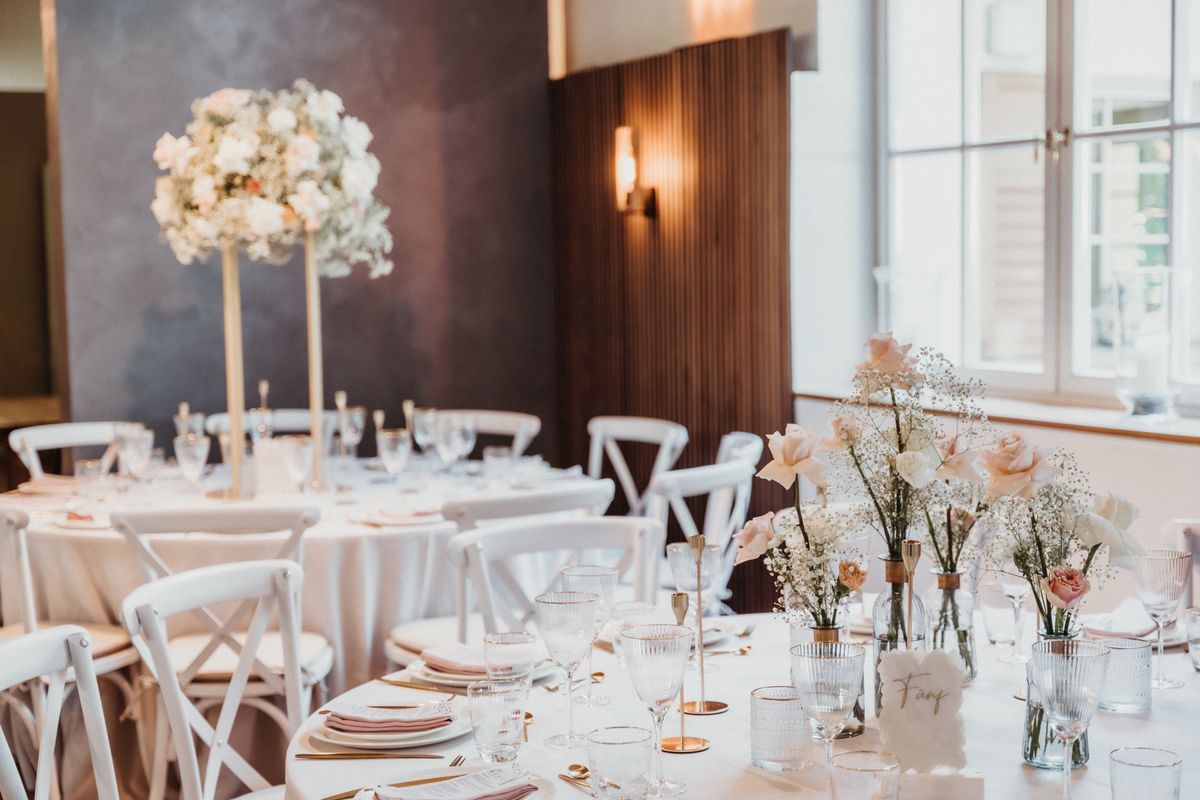
Photo: Pexels · License. Illustrative stock photography; pictured people, products and settings are not claimed to demonstrate this exact guide or endorse this publication.
Start with the actual decision
List participants by role and name, then identify the actions that can confuse someone on the day: where to wait, when to walk, where to stand or sit and how to leave. Decide who cues entrances and who handles objects such as rings or readings. A processional does not have to follow a gendered or traditional order unless that is the format you want. Make the chosen order explicit.
Prepare the working information
Bring the ceremony outline, room layout, music cues and participant contacts. Confirm whether the rehearsal uses the actual space and how long it is available. If it takes place elsewhere, mark the relevant entrance and standing positions without pretending the dimensions are identical. Ask participants privately about movement, hearing or reading support. Keep a seated option available where appropriate rather than assuming everyone can stand throughout.
A worked example you can adapt
An illustrative order might be an opening music cue, two paired entrances, two individual entrances and the couple's chosen arrival. Assign names to each position and record who gives the next cue. If there are eight participants, write eight names; 'the party follows' is not a complete instruction. The example is a planning structure only. The officiant should confirm how the movement fits the specific ceremony.
Follow the sequence in order
Begin by placing everyone where they will be during the ceremony. Explain the key object handoffs and reading position. Walk the exit once, then return to the waiting area and practice the entrance. This backward-then-forward approach helps participants understand their destination before they start walking. Check the music operator's cues separately. Finish with a concise reminder of arrival time, clothing or item responsibilities and the person to contact if delayed.
Choose between the realistic options
Practice the movements that need coordination rather than reading every word aloud repeatedly. A reader may want a microphone check and a large-print copy; someone carrying rings needs to know the exact handoff. Children need a simple plan and an available trusted adult, not pressure to perform perfectly. If the rehearsal reveals a difficult movement, change the arrangement while the relevant people are present instead of hoping it will be easier during the event.
A ready-to-adapt message
A participant message can say: 'Please meet at the ceremony entrance at 5 p.m. on Friday for a short movement rehearsal. We will practice where to wait, entrances, the reading position and the exit. Bring the shoes or mobility support you expect to use if that helps test the route. Contact Morgan if you cannot attend.' Replace these sample details and avoid implying that participants must disclose private information in a group reply.
Catch the common failure points
Do not let several helpers issue conflicting instructions while the officiant is explaining the ceremony. Nominate one person to record changes. Avoid inventing a universal walking speed or insisting people match an exact musical beat if that is uncomfortable. Check where bouquets, coats or reading pages go during transitions. A rehearsal in an empty room can conceal a route blocked later by chairs, signs or equipment, so verify the final setup too.
Build a fallback and finish the handoff
Update the ceremony outline after the rehearsal and distribute only the relevant changes. Give absent participants a short personal briefing. Put objects and printed readings into labeled containers with a named holder. On the day, the cue person should confirm participants are ready before starting the entrance sequence. The goal is not a flawless performance but a ceremony in which people know where to go and the couple is not managing every small handoff.
Create a cue-and-action strip
Use two columns: what the cue person sees or hears, and what the next person does. For example, 'music begins' connects to 'first named pair enters'; 'officiant invites reading' connects to 'reader goes to the marked position.' Keep the descriptions tied to the actual ceremony. This is easier to follow than a long narrative and exposes missing cues before people are waiting uncertainly in a doorway.
Your working checklist
Checkmarks stay in this browser when storage is available. They do not submit information or complete a purchase.
Put it into practice
- Confirm the ceremony format with the officiant and venue.
- List every participant and key handoff.
- Show final positions before practicing entrances.
- Practice the exit, then the entrance and reading movements.
- Record changes and brief absent participants.
- Check the final room route before the ceremony.
Before you finish
- One person records and communicates rehearsal changes.
- Readers and object holders know their exact cues.
- Movement arrangements suit the participants.
- The final furniture layout preserves the practiced route.
Common questions
Do we need a rehearsal for a tiny ceremony?
A short walkthrough may still help if several people have entrances or readings. If the format is very simple, a focused briefing with the officiant may be enough. Match the rehearsal to the actual coordination needed.
Should we practice with music?
Practice the cues with the person operating music if music affects entrances. You do not need repeated full-length performances. Identify how the operator knows when to begin, fade or stop each selection.
What if someone cannot attend?
Give them the relevant arrival, route and cue instructions directly. A short labeled diagram or personal walkthrough can help. Do not assume another participant will remember to explain the changes on the day.
Can we change the order?
Often you can choose a format that suits your relationships, but confirm any requirements of the officiant, venue or chosen tradition. Make the final order explicit and update all copies so participants do not follow different drafts.