DIY Wedding Table Setup: Calculate Linens, Place Settings and Rental Returns
DIY table planning works best when appearance, quantities and labor are calculated together. A photograph of one centerpiece does not show the serving dishes, place settings or collection crates required for the meal. Use this guide after the venue and caterer have confirmed the layout.
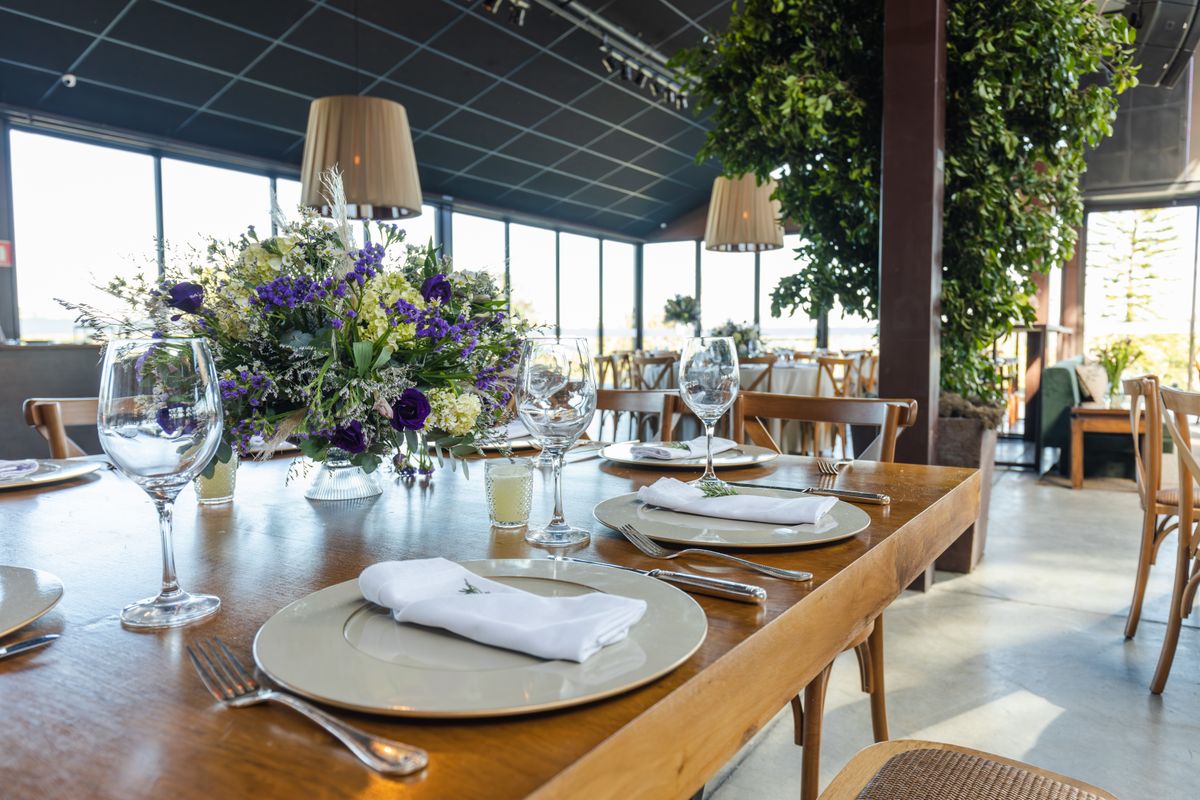
Photo: Pexels · License. Illustrative stock photography; pictured people, products and settings are not claimed to demonstrate this exact guide or endorse this publication.
Start with the actual decision
Start with the actual table type and meal format. A buffet, family-style meal and plated service use table space differently. Ask which crockery, cutlery, glasses and service items the provider supplies. Define whether your responsibility includes water vessels, menu cards, napkins or table numbers. Count from confirmed attendance and the supplier's service method, rather than assuming every guest needs the same number of every object.
Prepare the working information
Create an inventory with item, source, quantity, destination table, packed box and return owner. Record actual table and linen measurements from the supplier. Confirm whether rental spares, washing, breakage procedures and collection containers are included in the arrangement. Do not invent a universal spare percentage. Keep personal decorative items separate from hired stock so a helper does not accidentally return your family vase with rental equipment.
A worked example you can adapt
If six tables each need one table number, three small vessels and one runner, the decorative count is six numbers, 18 vessels and six runners. At 54 guests, one napkin per place means 54 napkins before any provider-agreed extras. These are arithmetic examples only. Add buffet, cake, welcome and supplier tables separately; they can need linens even though they do not appear in the guest-seat calculation.
Follow the sequence in order
Set up one complete table using the intended dishes, glasses and serving arrangement. Photograph it from seated eye level and note anything that blocks conversation or service. Confirm candle and decoration requirements with the venue; flameless options can simplify arrangements. Convert the approved prototype into a per-table recipe. Pack items by table or by setup station, whichever matches the helpers' work. Include a return count on the outside of each labeled box.
Choose between the realistic options
A few repeated objects are easier to place consistently than many unique fragile pieces. Compare the decorative effect with the time to unpack, arrange, clean and repack them. If family-style dishes need the center, a dense centerpiece may be impractical even if it looks good before food arrives. Renting may reduce storage but creates fixed collection duties. Buying creates ownership and disposal questions. Choose the full workflow, not just the initial price.
A ready-to-adapt message
Give a helper a concrete instruction: 'Table 3 uses the white runner, number 3 and three labeled bud vessels. Place settings are handled by the caterer. Do not add candles; the approved lights are in Box L. When the meal finishes, leave rented dishes for the service team and repack only the labeled personal decor.' Replace the example with the actual arrangement. A photograph and a short task card are easier to follow than a long inspiration album.
Catch the common failure points
Watch for double-ordering items that the caterer already supplies, missing linens for utility tables and decorative objects that occupy serving space. Do not assume all round or rectangular tables share dimensions. Check the actual linen fit before finalizing quantities. Keep unstable tall items and loose packaging away from guest routes. If the prototype takes one person fifteen minutes, ten tables are not a ten-minute job; count the labor and parallel work honestly.
Build a fallback and finish the handoff
Assign one person to receive rentals and another clearly identified return lead. Check delivered quantities before setup and report discrepancies through the agreed contact. Keep crates and packaging in a known storage location. After the event, separate personal items, hired stock and waste before loading vehicles. Record missing or damaged items according to the supplier's process. The inventory is complete only when every item has reached its final destination.
Write a table recipe
A useful recipe lists the table ID, required items, the order of placement and a photo of the approved result. Include what must remain empty for service and what helpers should not move. Multiply the recipe by the real number of tables, then add non-guest stations on separate lines. This turns a visual idea into a repeatable setup task and makes it easier to notice that a welcome table needs a cloth even though it has no seats.
Your working checklist
Checkmarks stay in this browser when storage is available. They do not submit information or complete a purchase.
Put it into practice
- Confirm which items the venue and caterer already provide.
- Calculate guest and non-guest table requirements separately.
- Build and review one complete table.
- Turn the prototype into a repeatable table recipe.
- Count and label setup and return boxes.
- Reconcile personal and rented items after collection.
Before you finish
- The count uses actual table dimensions and confirmed attendance.
- Serving space remains usable in the completed prototype.
- Helpers know which items belong to which supplier.
- Rental packaging and collection responsibilities are documented.
Common questions
How many spare place settings should we order?
Ask the caterer or rental provider what their service requires and what they supply. The appropriate quantity depends on the menu, washing arrangement and replacement policy. Avoid adding a generic percentage without understanding what it covers.
Can we use real candles?
Only within the venue's confirmed requirements and a suitable arrangement. NFPA provides candle-safety guidance, and flameless alternatives can reduce some complications. Never assume a decorative photograph demonstrates an approved event setup.
Is buying cheaper than renting?
Compare delivery, storage, washing, transport and eventual disposal as well as the initial amount. A purchase can create more work than expected, while a rental can have strict collection duties. Use actual complete quotes.
Should boxes be packed by item or table?
Choose according to the setup method. Table boxes help small teams reproduce a design; item stations can suit a larger coordinated team. In either case, label quantities and the final return destination clearly.