Wedding Invitation Wording and Guest Information: A Clear Practical Checklist
Invitation wording should help guests understand who is invited, where to go and how to respond. It can be formal or relaxed without becoming vague. This guide provides original sample wording and a proofing method rather than claiming one universal etiquette formula.
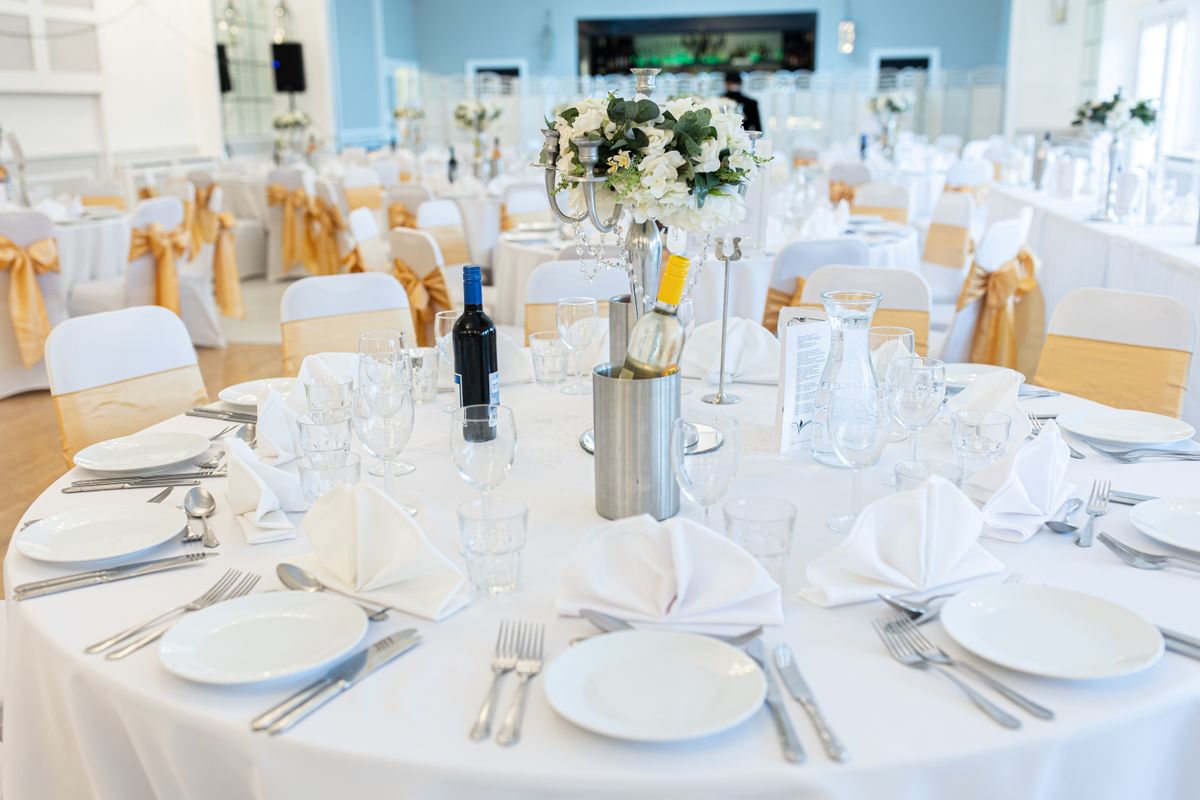
Photo: Pexels · License. Illustrative stock photography; pictured people, products and settings are not claimed to demonstrate this exact guide or endorse this publication.
Start with the actual decision
Decide what the invitation is asking someone to attend: the ceremony and reception, reception only or another clearly defined gathering. Use names and event descriptions that fit your actual hosts and relationships. If attendance differs between events, make that clear privately for the relevant guests. A beautiful invitation that leaves the location or response method uncertain creates more work for both guests and hosts.
Prepare the working information
Collect the confirmed date, full venue name, address, arrival guidance, event start and response deadline. Include a working contact or website address and identify where detailed travel information lives. Check whether guests need to choose meals or answer another essential question. Keep internal supplier arrival times out of the invitation. Write the weekday and date consistently, and verify the address against the actual entrance guests will use rather than a business's administrative office.
A worked example you can adapt
A sample relaxed invitation reads: 'Please join Avery and Sam to celebrate their wedding on Saturday, June 12, at River House, 24 Garden Lane. Please arrive from 3:30 p.m. for a 4 p.m. ceremony, followed by dinner. Kindly reply by May 10 at our event page, or contact Taylor using the number below.' These are invented details, not an event announcement. Replace every field and confirm that the website actually answers the questions the card sends guests there to find.
Follow the sequence in order
Draft the factual content first, then choose the visual style. Test the wording with someone who has not been part of planning: ask what time they would arrive, who they believe is invited and how they would reply. Proofread names and addresses separately from the main text. Open every link and scan any code from a printed test. Send the invitation only after the response system and guest information page are ready for use.
Choose between the realistic options
Use an additional information card or website when the details would make the main invitation crowded. Paper-only guests should still have a usable way to obtain essential information and respond. Avoid putting crucial facts solely inside an image that is difficult to read on a phone. If you provide a dress suggestion, describe the practical context, such as an outdoor lawn or a relaxed seated meal, rather than relying on an ambiguous phrase to carry all the meaning.
A ready-to-adapt message
For an event with limited invited names, use a direct private clarification: 'Your invitation includes Jordan and Casey. We are keeping the celebration to the named guests because of the size of the gathering. Please let us know whether each of you can attend.' Adapt the tone to the relationship. If someone asks about another person, answer consistently and kindly instead of hoping that a decorative envelope format will communicate every boundary.
Catch the common failure points
Watch for dates copied from an old design, a response deadline that falls after the caterer's count deadline and links that require the wrong login. An arrival window and a ceremony start are different facts; label them. Do not include a QR code without a readable alternative address or contact. If a major detail changes after sending, tell affected guests directly and update the central information page. Quietly editing a website may not reach people who already saved the earlier instructions.
Build a fallback and finish the handoff
Keep one approved text master and a record of the sent version. Ask two people to proofread factual details independently, then compare the printed sample with the master rather than with memory. Save a list of which households received which invitation. When responses arrive, enter them in the guest tracker promptly. The invitation's job is complete when a guest can confidently plan attendance; it does not need to contain the entire story of the wedding.
Proof in separate passes
Use one pass for names, one for numbers and one for actions. In the number pass, check the date, time, address, phone number and deadline character by character. In the action pass, attempt to respond exactly as a guest would, including opening the site on a phone. A person can miss a wrong date while admiring the layout; separating the checks makes the practical errors easier to notice.
Your working checklist
Checkmarks stay in this browser when storage is available. They do not submit information or complete a purchase.
Put it into practice
- Define exactly which event the invitation covers.
- Write the essential facts before choosing the layout.
- Test interpretation with someone unfamiliar with the plan.
- Verify every name, date, address and response link.
- Provide a readable alternative to any QR code.
- Record what was sent and communicate later changes directly.
Before you finish
- Guests can distinguish arrival time from event start.
- The response deadline supports real supplier deadlines.
- Every code and link works from the printed test.
- The invitation names and tracker use the same approved guest list.
Common questions
Do we have to use formal wording?
No. Choose a tone that suits the event and relationships while keeping the facts clear. The invitation should still identify the people, event, date, place and response action. Decorative formality is less useful than accurate information.
Should travel details be printed on the main card?
Only if they are brief and essential. A separate information page can explain parking, transport and access more clearly. Guests who cannot use the page need an alternative route to the same practical facts.
How should we explain that children are not included?
Use clear, private wording that matches the names invited and the policy you have chosen. Avoid shaming language or making an ambiguous joke. Be consistent, and answer questions directly rather than relying on guests to infer the boundary.
Can we change details after invitations are sent?
Yes, but contact affected guests through a reliable channel and identify exactly what changed. Update the website and response information too. A new address or start time needs direct communication; a quiet online edit alone can leave guests following an older saved version.