A Six-Month Wedding Planning Timeline When You Want a Simple Celebration
A six-month wedding plan needs fewer unresolved choices, not faster versions of every elaborate project. This guide builds a practical sequence for a modest ceremony and reception, with example deadlines you should replace with actual venue and supplier requirements.
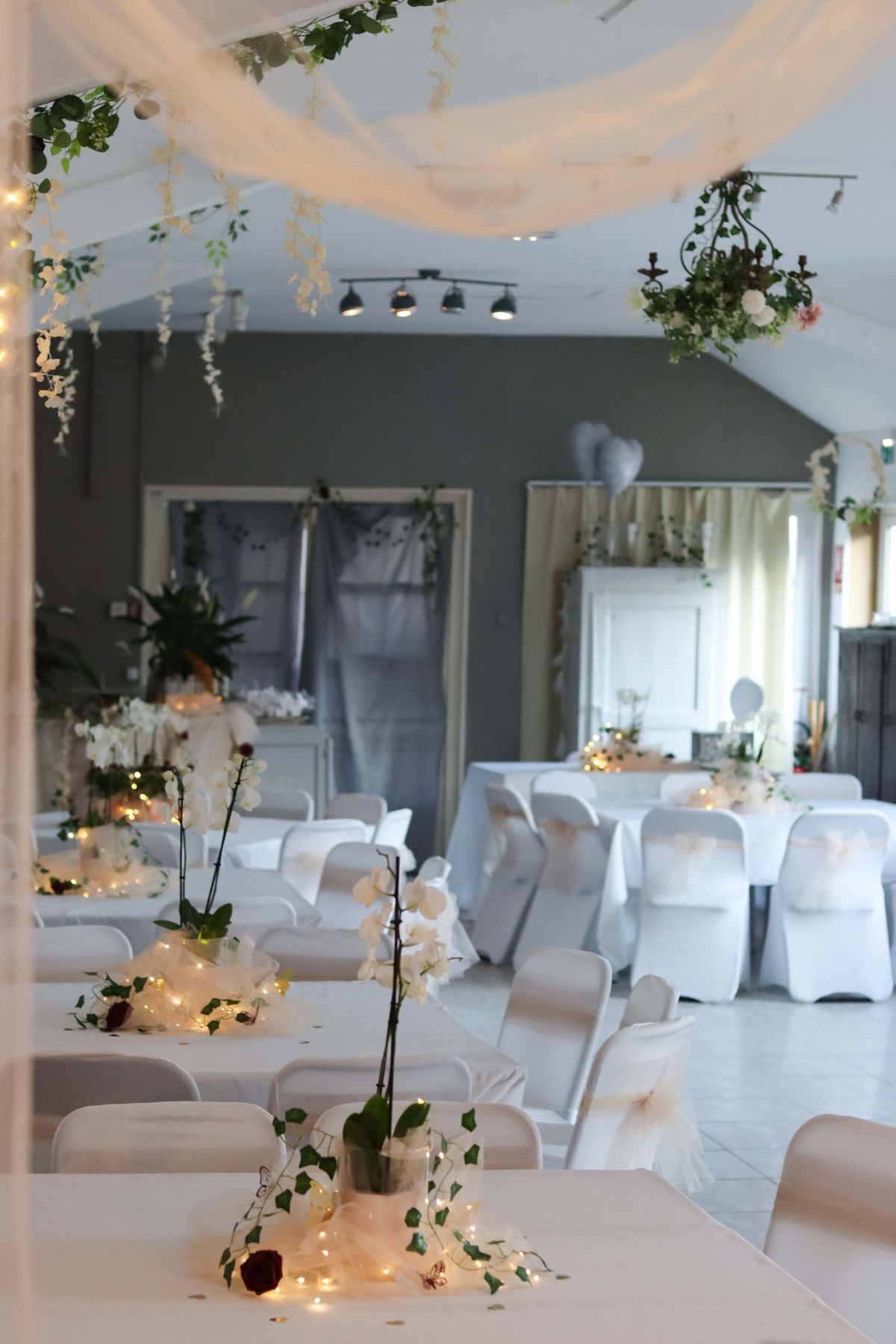
Photo: Pexels · License. Illustrative stock photography; pictured people, products and settings are not claimed to demonstrate this exact guide or endorse this publication.
Start with the actual decision
Choose the format before collecting inspiration: ceremony and meal in one place, two nearby locations, or a small ceremony followed by a restaurant gathering. The simpler the movement, the fewer schedules must align. Decide whether the date or the location matters more. If your preferred venue is unavailable, a flexible weekday or different season may be more useful than redesigning the entire day around a fixed Saturday. Make these tradeoffs together before contacting many suppliers.
Prepare the working information
Write a one-page brief containing a date window, approximate attendance, event length, meal style and the money already available. Add the person authorized to approve changes. Keep a separate list of non-negotiable practical needs, including step-free access or particular food requirements. Ask prospective suppliers which decisions they need now and which can wait. A short lead time makes clear communication especially useful, but it does not justify agreeing to terms you have not read or assuming availability.
A worked example you can adapt
A sample sequence uses month six for the location and guest outline, month five for core suppliers, month four for invitations and travel information, month three for the room plan and clothing decisions, month two for responses and the draft run sheet, and the final month for confirmations. These are editorial planning blocks. If a caterer needs numbers earlier, move response collection earlier too. The schedule must work backward from real handoff dates rather than from the appearance of a tidy calendar.
Follow the sequence in order
Set a weekly decision meeting with a short agenda. Finish the location comparison, then freeze the overall format. Build the guest list while arranging the meal and photography. Develop one visual direction using a small number of repeatable elements. Test the invitation information with someone unfamiliar with the plan before sending it. Once responses are due, contact missing households and update meal, seating and transport documents together. Reserve the last two weeks for execution tasks that cannot sensibly happen months earlier.
Choose between the realistic options
Choose a ready-made workable option when customization adds more approval rounds than value. For example, a venue's existing chairs may remove the need for another delivery, inventory check and collection window. This does not mean accepting every package automatically: compare what is actually included, the usable hours and the tasks left to you. A lower initial quote that requires several outside suppliers may consume more time and money than a clearer combined arrangement.
A ready-to-adapt message
Try this supplier inquiry: 'We are planning an approximately 40-person ceremony and meal within this date range. Our preference is one location and a simple seated meal. Please confirm available dates, usable access hours, what is included, the final-count deadline and any decisions required before booking.' The number is an illustrative example; replace it before sending. A focused brief makes responses easier to compare and reduces exchanges that never answer the practical questions.
Catch the common failure points
Avoid issuing guest travel instructions while the location is only a possibility. Do not let an unfinished color choice block invitations whose factual details are ready. If a service is unavailable, revisit the actual need it fulfilled before hunting for an identical replacement. A recorded playlist, acoustic performer and DJ solve different problems; choose according to the event rather than assuming one is mandatory. Keep a change log when the date, location or meal format shifts so every related document is updated.
Build a fallback and finish the handoff
Freeze optional projects at a chosen point, such as three weeks before the event. Explain that new ideas must replace an existing task or be left for another occasion. Prepare a compact event folder with the final schedule, room plan, guest counts and contacts. Give each helper a realistic arrival and departure time. A shorter planning period succeeds when the final documents agree with one another and the couple can stop making small aesthetic decisions during the event itself.
Make a decision queue rather than a giant wish list
Sort open questions into 'blocks booking,' 'blocks guest communication' and 'can wait.' Review the first two groups before choosing more decorative details. If your current week contains ten unresolved choices, identify the two whose answers unlock the rest. For instance, confirming whether the meal is seated can resolve rental counts, table layout and service timing. This keeps urgent work concrete and prevents every task from feeling equally important.
Your working checklist
Checkmarks stay in this browser when storage is available. They do not submit information or complete a purchase.
Put it into practice
- Select a simple format and decide which constraint can flex.
- Confirm the location before promising travel details to guests.
- Book only the services that support the chosen format.
- Send clear invitations with a response deadline linked to supplier needs.
- Update seating, meals and transport from one response list.
- Freeze extras and distribute a compact final event folder.
Before you finish
- The date and location are confirmed before public communication.
- The weekly queue contains decisions rather than vague research tasks.
- Optional projects fit the available people and access time.
- Final documents agree on attendance and event hours.
Common questions
Is six months too short?
The answer depends on scope, supplier availability and your flexibility. A small gathering with one location has fewer moving parts than a large destination event. Begin with actual availability and simplify the format before committing to expectations that the remaining time cannot support.
Should we send save-the-dates and invitations separately?
Use the communication that gives guests the information they need in time. For a shorter plan, a clear invitation or direct travel notice may be more useful than another decorative stage. Confirm the essential facts first and avoid sending conflicting versions.
How many suppliers should we compare?
Compare enough credible options to understand the relevant differences, while keeping the same brief for each. The goal is a workable choice with clear responsibilities. Endless inquiries consume time if you have not decided the headcount, location needs or spending ceiling.
What can we safely leave until later?
Details that do not affect bookings, guest travel or production deadlines can often wait. Examples include a short welcome message or a simple sign layout. Ask each supplier about their actual deadline; do not assume that a small-looking personalized item has a short lead time.