Wedding Day Timeline With a First Look: Build the Schedule Backward From the Ceremony
A first look is an optional meeting before the ceremony. Its practical advantage is that some photographs can happen earlier; it does not remove travel, preparation or gathering time. This guide uses an invented 4 p.m. ceremony to show how to connect the pieces of a real schedule.
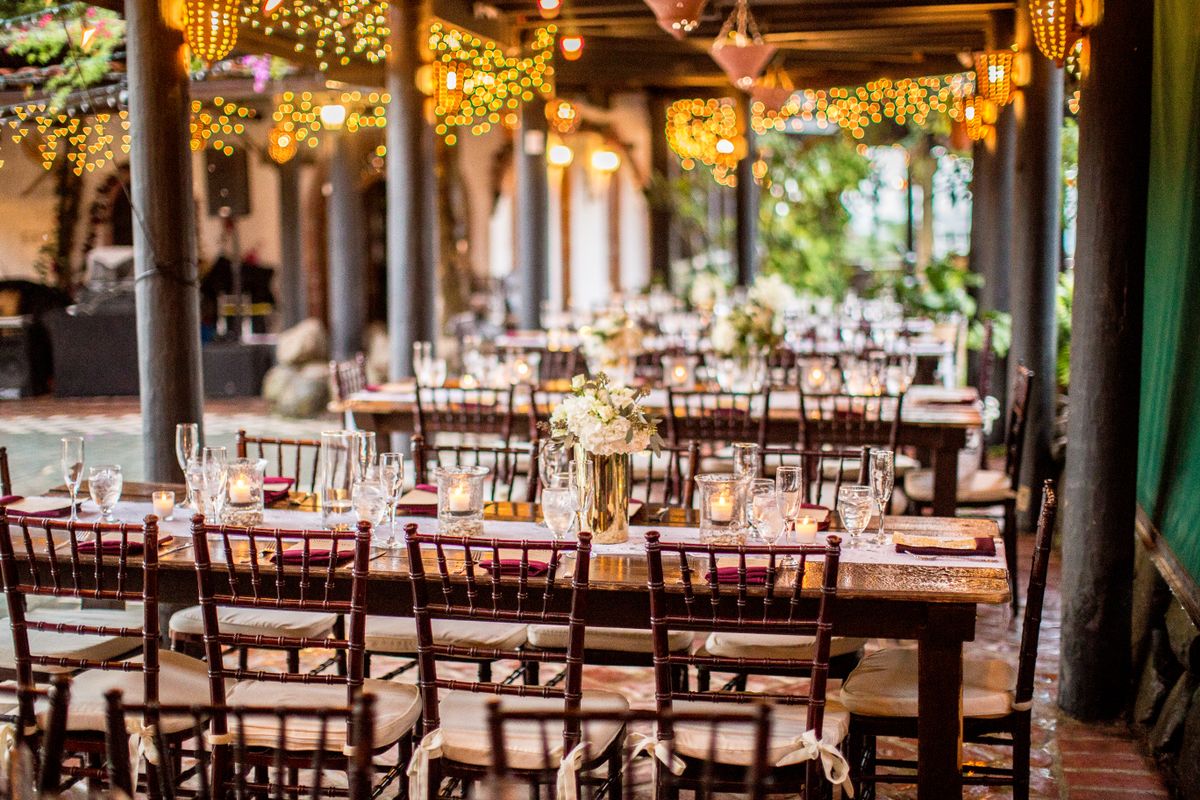
Photo: Pexels · License. Illustrative stock photography; pictured people, products and settings are not claimed to demonstrate this exact guide or endorse this publication.
Start with the actual decision
Ask the photographer which photographs can reasonably happen before the ceremony and how much usable time they need. Ask both partners whether they want a private meeting, a photographed reveal or no reveal at all. Then confirm where each person gets ready and how long movement between locations takes. A schedule is not ready merely because the camera time fits: clothing, transport, touch-ups and a quiet moment also need space.
Prepare the working information
Collect confirmed ceremony time, location access, preparation estimates from the people providing those services and travel arrangements. List who must be present for each photograph. Separate the couple's portraits, wedding-party groups and family combinations. Label any group that can only happen after the ceremony. Keep a simple room or meeting-point description beside each time so people do not lose a useful window by searching for the right entrance.
A worked example you can adapt
For an illustrative 4 p.m. ceremony at one location, you might finish dressing at 1:30, meet privately at 1:50, take couple photographs from 2 to 2:30 and gather selected groups from 2:35 to 3:10. Reserve the remaining time for freshening up, guest arrival and ceremony preparation. These are sample blocks, not photographer promises. If preparation or travel needs more time, move the earlier blocks rather than compressing every activity against the ceremony.
Follow the sequence in order
Start from the ceremony and work backward through the last moment the couple must be ready, group photographs, private photographs, the meeting itself and final dressing. Then connect the preparation start to the real service estimates. Work forward separately from the ceremony through greetings, any remaining photographs and the meal. Ask the photographer and venue contact to review the same version. Once agreed, give participants their own arrival instructions rather than sending everyone the complete preparation schedule.
Choose between the realistic options
A first look can suit a couple who values private time or wants fewer portraits during the reception. It is less useful if the earlier schedule creates an uncomfortably early preparation start or an additional journey. Compare the whole day, not only the photograph block. If you prefer to meet at the ceremony, use a different timeline instead of treating a first look as a required efficiency trick. The right choice supports the experience you actually want.
A ready-to-adapt message
Tell a family participant: 'Please be ready in the garden foyer at 2:35 p.m. for the family photographs. Jordan will gather the group. We expect to finish by 3:10, after which you can freshen up before guest arrival. If you are delayed, contact Jordan rather than the couple.' Replace every sample detail. A named meeting point and contact are more useful than a broad request to arrive early.
Catch the common failure points
Do not place a delicate private meeting beside a busy guest entrance without checking the location. Avoid assuming everyone will be dressed simply because the photographer has arrived. If preparation runs late, ask which photographs can move later rather than silently removing the ceremony buffer. Keep weather alternatives for the meeting and portraits. If one partner needs a different route to preserve privacy, tell the relevant helper instead of relying on people to improvise in the corridor.
Build a fallback and finish the handoff
Print a concise run sheet with the current version date, key contacts and the photograph participants. Leave private notes out of the guest version. On the day, let the named coordinator confirm when both partners are ready before starting the first look. After that, follow the agreed priorities rather than trying to recover every minute by rushing. The schedule has done its job when the couple can be present and helpers know which decision belongs to whom.
Protect a real pause before the ceremony
Reserve a block that is explicitly free of photography, transport and supplier questions. Use it for water, a restroom visit and checking clothing rather than filling it with another group combination. If that pause keeps disappearing in the draft, the earlier section is too ambitious. Removing one optional photograph group can be more useful than publishing a schedule whose only way to work is for every person and vehicle to be perfectly on time.
Your working checklist
Checkmarks stay in this browser when storage is available. They do not submit information or complete a purchase.
Put it into practice
- Fix the ceremony time and collect real preparation estimates.
- Separate photographs that can happen before and after the ceremony.
- Build backward from the ceremony with movement and a pause included.
- Review the same draft with photographer and venue contact.
- Give each participant a specific meeting point and contact.
- Move optional groups if delays threaten the essential ceremony preparation.
Before you finish
- Every photograph block names its required participants.
- Travel and touch-up time are separate from camera time.
- The first look has a private, usable location and fallback.
- There is a meaningful pause before the ceremony.
Common questions
How long should the first look take?
Ask the photographer and decide what the meeting means to you. A brief reveal, private conversation and extended portraits are different activities. Put separate blocks in the schedule so the couple understands what is being planned rather than accepting one unexplained standard duration.
Must all family photographs happen beforehand?
No. Some relatives may arrive later or prefer to remain with guests. Label those combinations for after the ceremony and keep that later list manageable. The first-look schedule should reduce uncertainty, not create a requirement that every guest arrive hours early.
What if we are getting ready in different hotels?
Add the actual pickup, journey, unloading and walking route for each person. Check who carries personal items and where clothing can be adjusted on arrival. If the transport makes the morning too tight, revisit the photograph plan or meeting location.
Can guests know about the first look?
Share only what they need to know. Participants need arrival instructions; other guests can simply receive the ceremony time and access information. Keeping the couple's private schedule out of the general invitation can reduce early arrivals at a sensitive moment.